Room Color Consultation Secrets and How Pros Choose the Perfect Palette
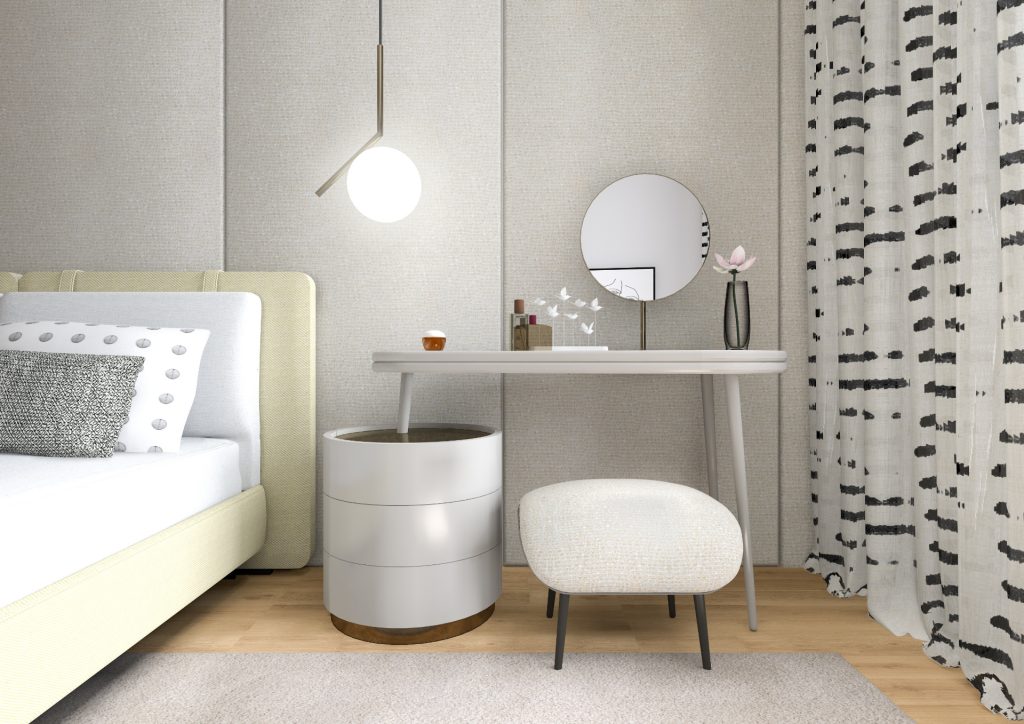
Picking the right colors for a room can be tricky, but professional designers have their own ways of making it look easy. They don’t just guess which colors go well together, they follow steps, notice small details, and use smart tricks to choose palettes that fit both the space and the people living in it.
Here’s how interior design consultants Dubai do it.
Start with the Feeling of the Space:
One of the first things a designer will ask is how you want the room to feel. Do you want it to be calm and peaceful? Warm and cozy? Bright and cheerful? Different colors can bring out different moods. Soft blues and light grays often feel quiet and relaxing. Warm tones like beige, terracotta, or gold make a space feel more welcoming. Once the mood is clear, it becomes easier to choose a base color.
Look at the Light:
Lighting plays a big role in how a color looks. A shade that looks perfect in one room might look totally different in another. That’s why designers always check how natural light hits the room at different times of the day. They also think about the type of artificial lighting, cool lights or warm bulbs can change the way colors appear on walls and furniture.
Match the Style of the Space:
Pros also think about the furniture, flooring, and overall style of the home. A modern room might look better with cool tones like soft whites, blacks, or navy blue. A classic or rustic room might work well with warmer earth tones. Color isn’t just about the walls, it needs to match everything in the space to create a full look.
Use the 60-30-10 Rule:
Many designers use this simple trick when creating a color scheme. It means using one color for most of the room (around 60%), a second color for about 30%, and a third color as a small accent (around 10%). This keeps the room balanced and stops it from feeling too busy or flat.
Test Before You Commit:
Before painting a whole wall, professionals always test colors in small patches. They look at how it changes throughout the day and check how it works with other items in the room. This step helps avoid surprises and makes sure the final result looks just right.